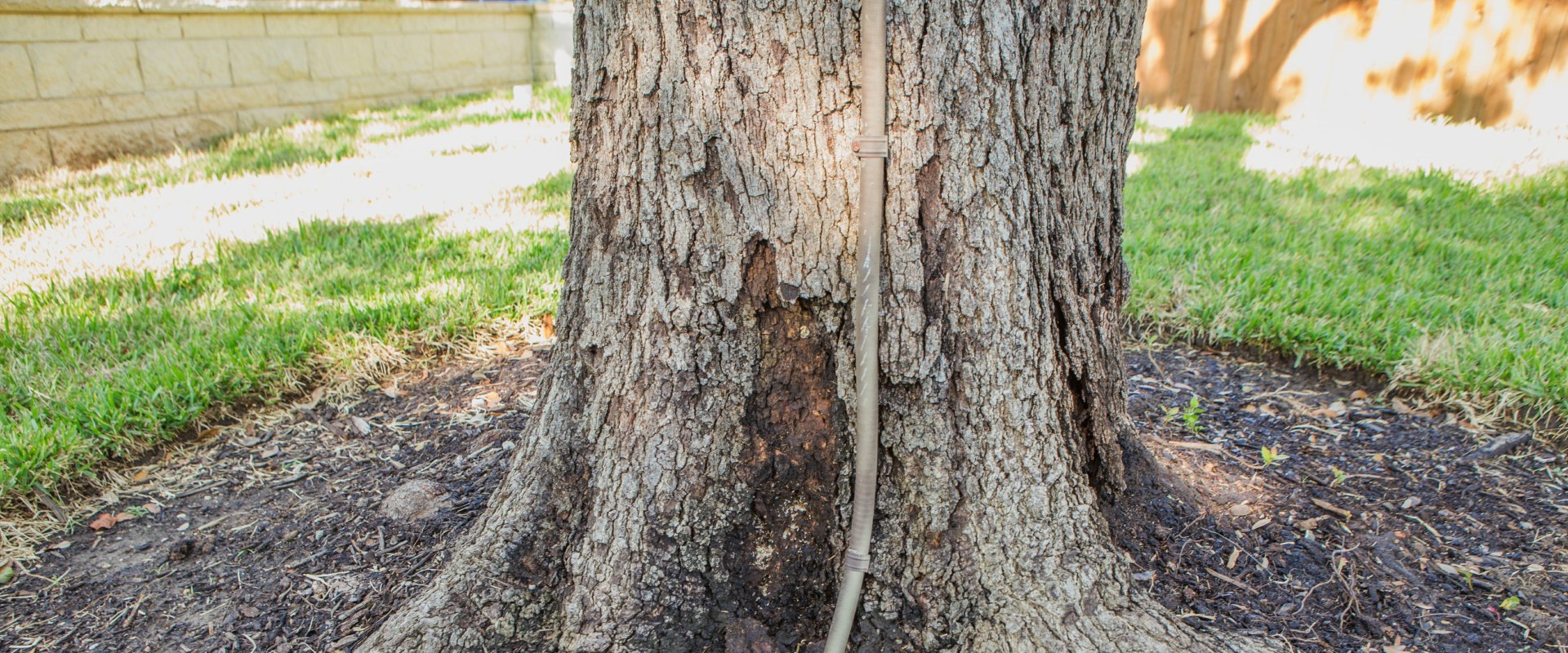
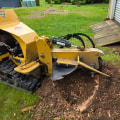
Stump grinding is one of the most efficient ways to remove the visible remains of a tree after it has been cut down in Miami, Florida, but determining how deep to grind is not always as simple as it seems. Homeowners often assume that grinding flush with the ground is enough for
tree services in Miami, Florida, yet the depth you choose can affect everything from future landscaping to soil stability and regrowth prevention. Understanding various
stump grinding techniques can help ensure the best results. Most standard stump grinders remove wood to a depth of about 6 to 12 inches below the surface, which is typically sufficient if the goal is simply to clear the area for grass or low-impact planting. However, factors such as the size of the stump, surrounding root system, and long-term plans for the space can influence how deep you should go. Professionals often evaluate soil conditions, tree species, and the proximity of structures or underground utilities before deciding on an appropriate depth, ensuring the job supports both immediate needs and future plans for the property. Stump grinding is one of the most efficient ways to remove the visible remains of a tree after it has been cut down in Miami, Florida, but determining how deep to grind is not always as simple as it seems. Homeowners often assume that grinding flush with the ground is enough for tree services in Miami, Florida, yet the depth you choose can affect everything from future landscaping to soil stability and regrowth prevention. Understanding various stump grinding techniques can help ensure the best results. Most standard stump grinders remove wood to a depth of about 6 to 12 inches below the surface, which is typically sufficient if the goal is simply to clear the area for grass or low-impact planting. However, factors such as the size of the stump, surrounding root system, and long-term plans for the space can influence how deep you should go. Professionals often evaluate soil conditions, tree species, and the proximity of structures or underground utilities before deciding on an appropriate depth, ensuring the job supports both immediate needs and future plans for the property., yet the depth you choose can affect everything from future landscaping to soil stability and regrowth prevention. Understanding various stump grinding techniques can help ensure the best results. Most standard stump grinders remove wood to a depth of about 6 to 12 inches below the surface, which is typically sufficient if the goal is simply to clear the area for grass or low-impact planting. However, factors such as the size of the stump, surrounding root system, and long-term plans for the space can influence how deep you should go. Professionals often evaluate soil conditions, tree species, and the proximity of structures or underground utilities before deciding on an appropriate depth, ensuring the job supports both immediate needs and future plans for the property. Stump grinding is one of the most efficient ways to remove the visible remains of a tree after it has been cut down in Miami, Florida, but determining how deep to grind is not always as simple as it seems. Homeowners often assume that grinding flush with the ground is enough for tree services in Miami, Florida, yet the depth you choose can affect everything from future landscaping to soil stability and regrowth prevention. Understanding various stump grinding techniques can help ensure the best results. Most standard stump grinders remove wood to a depth of about 6 to 12 inches below the surface, which is typically sufficient if the goal is simply to clear the area for grass or low-impact planting. However, factors such as the size of the stump, surrounding root system, and long-term plans for the space can influence how deep you should go. Professionals often evaluate soil conditions, tree species, and the proximity of structures or underground utilities before deciding on an appropriate depth, ensuring the job supports both immediate needs and future plans for the property.
Depth Considerations Based on Future Use
The depth required for stump grinding largely depends on what you plan to do with the area afterward. If you intend to plant new grass or install basic landscaping, a standard grind depth—usually around 8 inches—generally works well. For more ambitious projects, such as laying pavers, constructing a patio, or installing a garden bed with deeper roots, grinding 12 to 18 inches below grade may be necessary to create a stable foundation. When homeowners plan to plant another tree in the same spot, it often requires even deeper grinding and additional soil preparation to allow the new tree’s roots to develop without interference. Soil composition also plays a role: rocky, compact, or sandy soils might require adjustments to ensure proper settling and long-term stability. Taking the time to think about future land use prevents costly rework and helps ensure the landscape performs the way you envision in the years ahead.
Root Systems, Regrowth Prevention, and Site Safety
While stump grinding focuses on removing the main stump, the surrounding roots can influence how the area behaves after grinding. Many tree species, such as poplars, willows, and maples, can send out shoots from leftover roots if the stump is not ground deeply enough. In these cases, going slightly deeper or discussing regrowth prevention treatments with a professional can be beneficial. Deeper grinding may also be needed when stumps are close to driveways, fences, or foundations, since shallow grinding could lead to settling or uneven ground over time. Site safety is another important reason to consider depth: a partially ground stump or exposed roots can create tripping hazards or interfere with mowing and maintenance. Homeowners working on larger projects—such as landscape redesigns, construction preparation, often opt for more extensive stump and root removal to ensure the land remains accessible, safe, and functional for heavy equipment or future building plans.
Ensuring a Clean and Stable Finish
Once grinding is complete, professionals typically fill the hole with wood chips or topsoil to level the ground and encourage proper settling. Over the next several months, the area may naturally sink as the remaining roots decompose, so additional filling might be necessary. By understanding how deep to grind a stump and tailoring the depth to your specific goals, you can prevent future issues, maintain a clean landscape, and create a stable foundation for whatever comes next in your outdoor space.